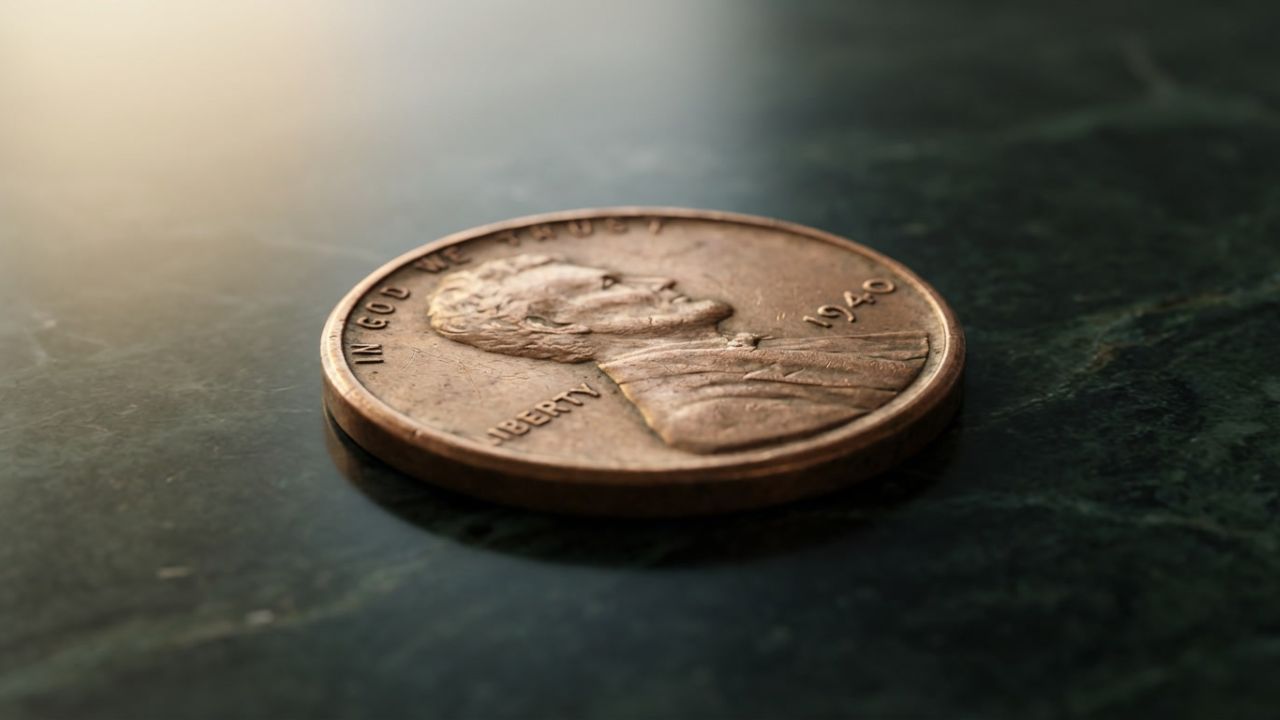
For many people, a penny is just spare change—something easily overlooked at the bottom of a drawer or dropped into a jar without a second thought. Yet for collectors and history lovers, the Lincoln Wheat penny represents far more than one cent. It is a small copper time capsule that reflects early-20th-century America, from economic growth and hardship to wartime sacrifice. While most Wheat pennies are modestly valued, a select few have become legendary in numismatics, proving that even the smallest coin can carry remarkable worth.
Minted from 1909 to 1958, the Lincoln Wheat cent is instantly recognizable by the two wheat stalks framing the words “ONE CENT” on the reverse. Designed to honor Abraham Lincoln, it was the first regular U.S. coin to feature a real historical figure. Hundreds of millions were produced across three mints, but rarity is not simply about age or mintage numbers. Value emerges from a precise mix of date, mint mark, condition, and, in some cases, dramatic minting errors. Understanding these factors is the first step in turning curiosity into informed discovery.
Why Some Wheat Pennies Are Valuable
Not all Lincoln Wheat pennies are rare, but certain dates and varieties stand out sharply. Coins from years with lower mintages or limited distribution are naturally scarcer. Others became rare because they were heavily circulated and few survived in high condition.
Condition plays an equally critical role. A Wheat penny that has retained sharp details, original luster, and an untouched surface can be worth many times more than the same coin worn nearly smooth. Professional grading services such as the Professional Coin Grading Service and the Numismatic Guaranty Company evaluate these factors and assign standardized grades that help establish market value.
Key Dates Every Collector Should Know
Within the Lincoln Wheat cent series, a handful of dates are universally recognized as “key dates.” The most famous is the 1909-S VDB, produced in limited numbers at the San Francisco Mint and bearing the initials of designer Victor David Brenner. Another highly sought-after issue is the 1914-D, which had a relatively low mintage and saw heavy circulation.
These coins are valuable even in worn condition, but prices rise dramatically for examples that survived in higher grades. They are cornerstones of any serious Wheat penny collection and often serve as the benchmark against which other finds are measured.
Minting Errors That Create Rarities
Some of the most astonishing Wheat penny values come from minting errors. The legendary 1943 bronze cent is the prime example. During World War II, pennies were struck in zinc-coated steel to conserve copper for the war effort. A tiny number of bronze planchets from 1942 were accidentally used in 1943, creating one of the rarest and most valuable U.S. coins ever made.
Other errors include doubled dies, off-metal strikes, and repunched mint marks. While less famous than the 1943 bronze cent, these varieties can still command strong premiums, especially when authenticated and well preserved.
Where Valuable Wheat Pennies Are Found
Discoveries rarely happen in dramatic ways. Most valuable Wheat pennies surface quietly—inside inherited collections, old coffee cans of coins, or rolls obtained from a local bank. Some collectors enjoy “roll hunting,” carefully searching through bank-wrapped pennies in hopes of finding older issues mixed in with modern coins.
Patience and consistency matter. While the odds are slim, every authentic find reinforces the idea that valuable coins can still exist outside of auctions and dealer cases.
What to Look for When Examining a Wheat Penny
A careful examination is essential. Start with the date and mint mark, located on the obverse below the year. Then assess overall condition: Are Lincoln’s facial features sharp? Do the wheat stalks show clear lines? Finally, look for unusual characteristics such as doubling in the lettering or odd coloration that might indicate an error.
Avoid the temptation to clean the coin. Even light cleaning can permanently damage the surface and drastically reduce collector value. Original patina is not a flaw—it is part of the coin’s historical integrity.
Next Steps If You Think You Found Something Special
If a Wheat penny appears promising, protect it immediately. Handle it by the edges and store it in a non-PVC holder. Consulting a reputable local coin dealer is often the best first step. They can offer an initial opinion and advise whether professional grading is worthwhile.
Once certified, collectors have several options, including selling through auctions, dealers, or private collectors. Always rely on the grading report and recent market data to guide expectations, and never rush a decision.
Why Lincoln Wheat Pennies Continue to Captivate
The enduring appeal of Lincoln Wheat pennies lies in their accessibility and depth. Almost anyone can afford to start collecting them, yet the series offers enough complexity to engage experts for decades. Each coin reflects a moment in American history, from the optimism of the early 1900s to the resource constraints of wartime.
In the end, the Wheat penny reminds us that history often hides in plain sight. With knowledge, patience, and respect for preservation, even a humble cent can reveal an unexpected and rewarding story.
FAQ
I found a Lincoln Wheat penny. Is it automatically valuable?
No. Most Wheat pennies are common and worth only a few cents to a few dollars. Value depends on date, mint mark, condition, and the presence of errors.
Where is the mint mark on a Wheat penny?
On Lincoln Wheat cents, the mint mark appears on the obverse below the date. “D” indicates Denver, “S” indicates San Francisco, and no mark means Philadelphia.
What is the most valuable Lincoln Wheat penny?
The 1943 bronze error cent is considered the most valuable, with confirmed examples selling for hundreds of thousands of dollars. Among regular issues, the 1909-S VDB and 1914-D are the most famous key dates.
Should I clean my Wheat penny before selling it?
Never. Cleaning almost always lowers a coin’s value. Collectors prefer original surfaces, even if toned or darkened.